Choosing between a steel building and a traditionally constructed structure is one of the biggest decisions property owners face when planning a new home, workshop, commercial facility, or agricultural building. Both options can provide durable, attractive, and functional spaces, but they differ significantly in construction methods, maintenance requirements, and long-term costs.
In recent years, steel buildings have become increasingly popular across Texas because they offer a practical balance of strength, flexibility, and efficiency. At the same time, traditional wood-frame construction remains a familiar choice for many homeowners and businesses.
Understanding how these two building methods compare can help you determine which option best fits your property, budget, and long-term goals.
Strength and Structural Durability
Steel Buildings
Steel is engineered for high structural strength and can withstand significant loads while maintaining its shape and stability. Properly engineered steel structures perform well in areas that experience high winds, heavy storms, and demanding environmental conditions. Because steel does not warp, twist, or shrink the way some wood materials can, many property owners choose it for projects where long-term structural reliability is a priority.
Traditional Construction
Wood-frame construction can also be very strong when designed correctly. However, wood is more susceptible to moisture-related movement over time, including expansion, contraction, and warping under certain conditions. For many residential applications, traditional construction performs well, but steel generally offers an advantage in overall structural consistency and durability.
Maintenance Requirements
Steel Buildings
One of the most frequently cited benefits of steel construction is reduced maintenance. Properly coated steel framing resists many common issues associated with wood, including rot, termite damage, and moisture-related deterioration. Routine inspections and exterior maintenance are still important, but major structural maintenance needs are often lower over the building’s lifetime.
Traditional Construction
Wood-frame buildings typically require more ongoing attention. Depending on the climate and building design, property owners may need to address issues such as wood rot, insect damage, repainting, or replacement of deteriorated components over time. Maintenance costs can vary significantly, but traditional construction often involves more long-term upkeep.
Energy Efficiency
Steel Buildings
Modern steel buildings can be highly energy efficient when designed with proper insulation systems, reflective roofing materials, insulated wall panels, and quality windows. Earlier steel buildings sometimes struggled with thermal performance, but current construction methods have greatly improved energy efficiency.
Traditional Construction
Wood naturally provides some insulating value, which can be an advantage in residential construction. Well-insulated traditional homes can achieve excellent energy performance when built with modern materials and techniques. In practice, both building types can be energy efficient when designed and insulated correctly.
Construction Speed
Steel Buildings
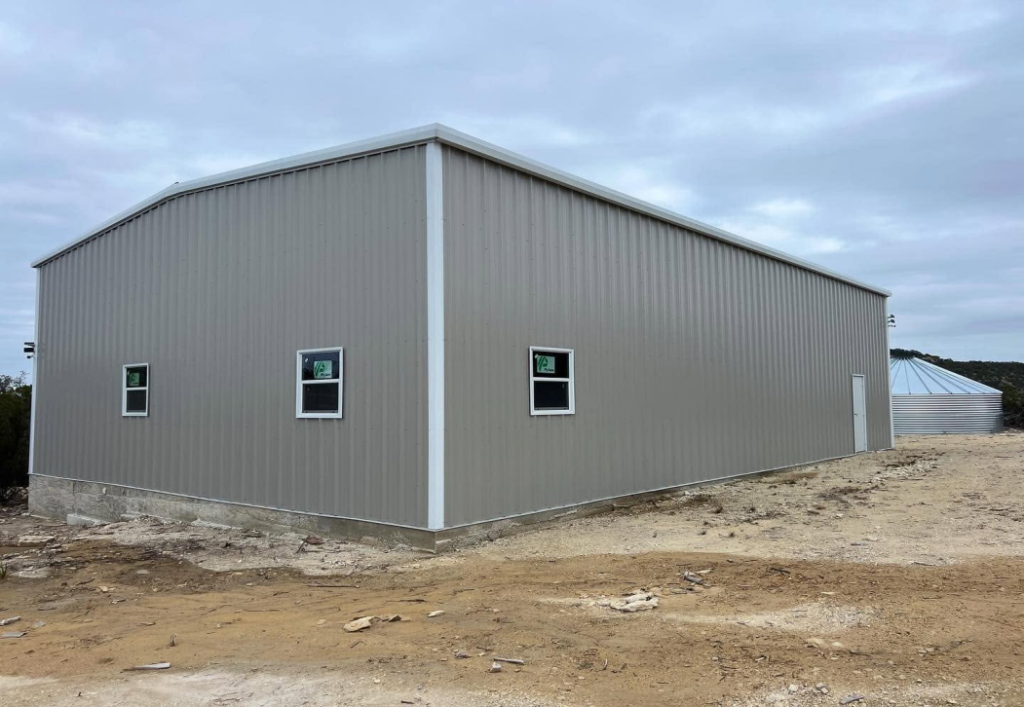
Steel building components are often engineered and manufactured before arriving at the job site. Once site preparation and the foundation are complete, installation can proceed efficiently. Many projects benefit from streamlined construction schedules because structural components arrive ready for assembly.
Traditional Construction
Traditional construction generally involves more on-site framing work and may require additional time depending on project complexity, labor availability, and weather conditions. While timelines vary, steel construction often has an advantage in overall project speed.
Design Flexibility
Steel Buildings
Modern steel buildings offer far more design flexibility than many people realize. Open-concept interiors, large clear-span spaces, residential finishes, offices, workshops, and custom layouts are all possible. This flexibility makes steel suitable for homes, barndominiums, commercial buildings, agricultural facilities, and mixed-use properties.
Traditional Construction
Traditional construction also offers extensive design options and remains a popular choice for highly customized residential architecture. For complex residential aesthetics, some homeowners may prefer the familiarity of conventional building methods.
Long-Term Value
When evaluating lifetime value, it is important to look beyond initial construction costs.
Steel buildings often provide:
- Lower maintenance expenses
- Strong structural durability
- Efficient use of large interior spaces
- Long service life
- Potentially lower repair costs over time
Traditional buildings may provide:
- Familiar residential construction methods
- Strong resale appeal in some markets
- Extensive architectural customization
- Well-established financing and appraisal processes
For many property owners, the lower maintenance and long-term durability of steel contribute to strong overall lifetime value.
Which Option Is Best?
The right choice depends on your priorities.
A steel building may be the better choice if you want:
Steel Advantage
- Maximum durability
- Lower long-term maintenance
- Faster construction
- Large open interior spaces
- Long-term operational value
Traditional construction may be preferable if you prioritize:
Traditional Advantage
- Conventional residential architecture
- Familiar building methods
- Specific design preferences that favor wood framing
The Importance of Choosing the Right Builder
Regardless of the construction method, the quality of the builder plays a major role in the final result. Experienced steel building contractors understand site preparation, concrete foundations, engineered steel installation, drainage planning, and project coordination. Their expertise helps ensure the building performs as intended for decades.
Likewise, skilled traditional builders are essential for quality wood-frame construction.
Final Thoughts
Both steel buildings and traditional construction can produce excellent results, but they serve different priorities. For many Texas property owners seeking durability, reduced maintenance, flexible design, and strong long-term value, steel construction has become an increasingly attractive option. By comparing strength, maintenance, energy efficiency, construction speed, and lifetime costs, you can make a more informed decision about which building method best fits your property and plans.
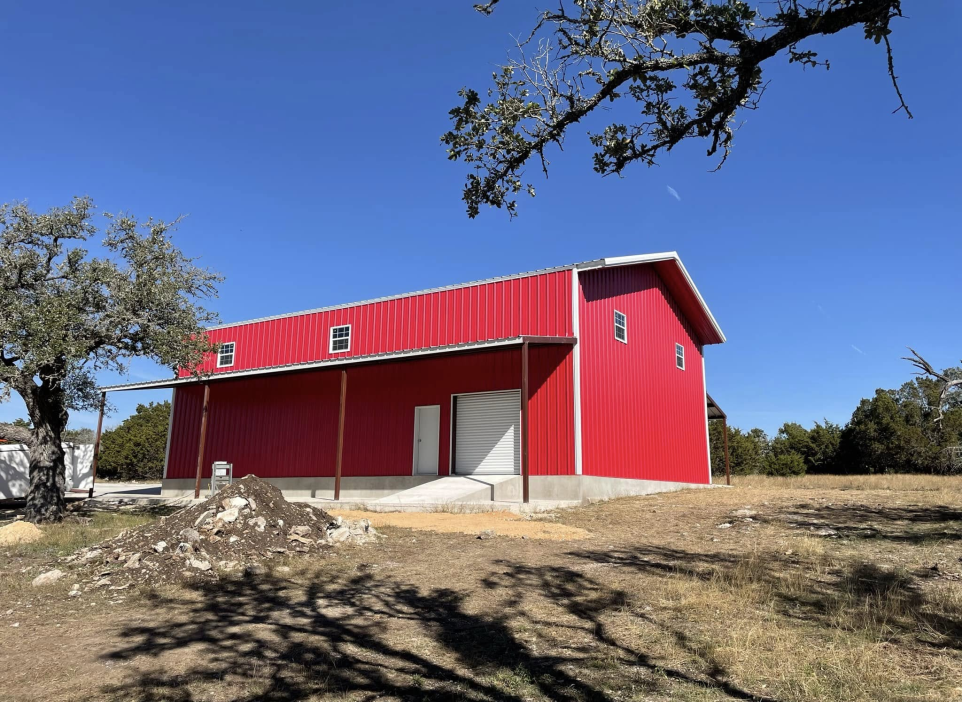
At Badger Buildings, we help property owners evaluate the best construction approach for their goals, budget, and long-term plans. Our experienced steel building contractors design and build durable structures that perform well in the Texas climate.
We also provide turn-key metal building services, managing everything from site preparation and concrete work to complete installation under one team. Whether you’re planning a commercial building, workshop, or custom barndominium construction, our skilled metal building contractors focus on quality craftsmanship and clear communication. If you’re comparing steel and traditional construction, we’re ready to help you make a confident, informed decision.
Reach out to us.