Planning a metal building near Port O’Connor requires more than choosing a size and exterior finish. Coastal conditions can affect materials, structural components, drainage, and maintenance needs. Working with metal building contractors in Port O’Connor can help property owners address these factors early and create a structure designed for dependable use.
Start With the Building’s Purpose
Begin by deciding exactly how the building will be used. A workshop, storage facility, equipment shelter, agricultural building, or commercial space may require different dimensions and features.
Consider the equipment, vehicles, tools, inventory, or activities that will occupy the building. Door heights, interior clearances, electrical capacity, ventilation, insulation, and lighting should match those needs. Planning these requirements before construction can prevent costly changes later.
Select Materials for Coastal Conditions
Port O’Connor’s coastal setting means a metal building can face moisture, salt in the air, strong winds, and changing weather. Material selection should account for regular exposure to these conditions.
Ask about the quality and protective treatment of structural steel, roofing, siding, fasteners, and other exposed components. Coatings and finishes designed for corrosive environments can provide added protection. Choose materials for both strength and the property’s surroundings.
Give Corrosion Resistance Priority
Corrosion can affect metal components when moisture and salt exposure persist over time. Paying attention to corrosion resistance during the planning stage may help extend the useful life of the structure.
Discuss protective coatings, galvanized components, appropriate fasteners, sealants, and connection details with your contractor. Areas where water may collect deserve particular attention. Roof edges, wall joints, openings, and low points should be designed to limit prolonged moisture exposure.
Inspect protective materials regularly. Small signs of rust or coating damage are easier to address before they spread.
Plan for Wind and Structural Loads
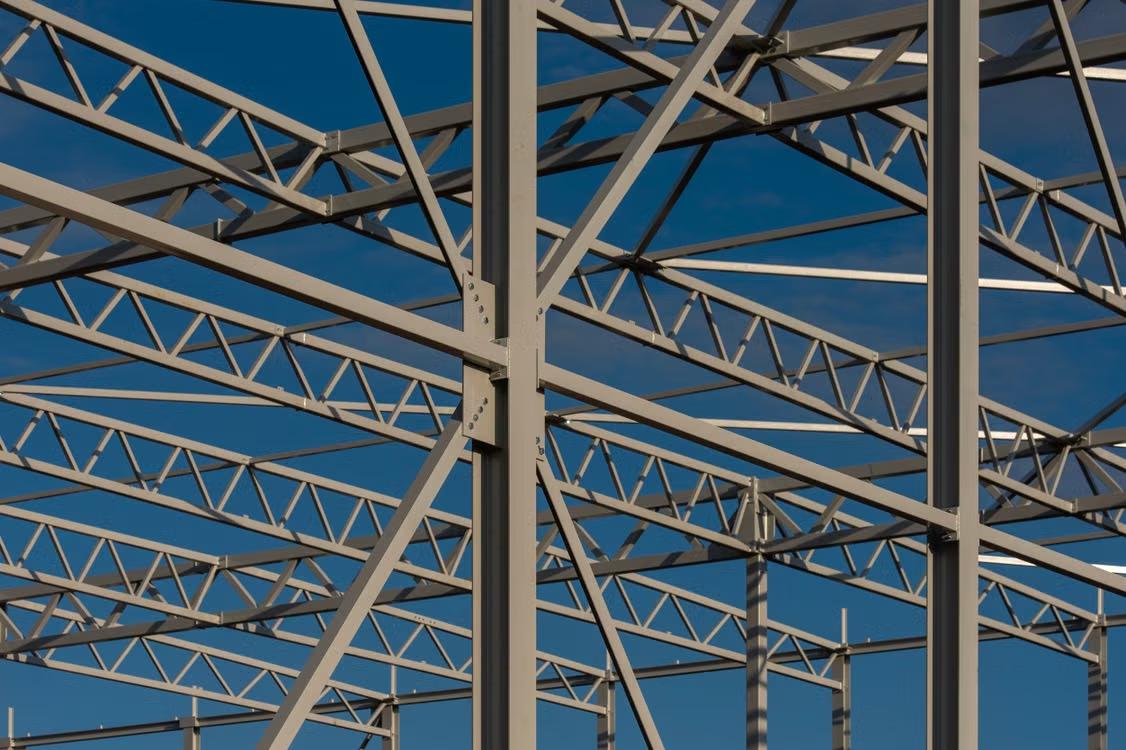
A coastal building should be designed with local weather conditions in mind. Wind resistance is especially important for properties near the Gulf, where severe storms can place significant pressure on roofs, walls, doors, and connections.
The design should account for applicable building requirements and expected loads.
Foundation connections, framing, roof systems, wall panels, and large openings all deserve careful attention. Large doors should have suitable hardware and anchoring,
while the overall structure should be engineered for the conditions expected at the site.
Ask your contractor how the design addresses local requirements.
Prepare the Building Site Properly
Good site preparation supports the performance of the finished building. Before construction begins, evaluate soil conditions, drainage, elevation, access, utilities, and the location of the foundation.
Water management deserves special attention in a coastal area. The building pad should be prepared to support appropriate drainage and reduce the chance of standing water around the structure. Driveways and access routes should also provide enough space for delivery vehicles and construction equipment.
Clearing, grading, foundation preparation, and utility work can affect the schedule and budget. Clarify which site services are included.
Think About the Foundation
The foundation transfers the building’s loads to the ground, making its design an important part of the project. Soil conditions and the intended building use can influence the foundation system selected.
Discuss foundation requirements with your contractor before finalizing the building package. The foundation should match the structural design, site conditions, and expected loads. A properly prepared base can also help maintain doors, walls, and other components in their intended positions over time.
Protect Openings and Interior Areas
Doors and windows can influence both weather protection and daily usability. Choose products that suit the building’s purpose and local conditions. Proper seals around openings can help reduce moisture intrusion.
If the structure will be conditioned, consider insulation and air sealing to improve comfort and manage energy use. Workshops and storage buildings may also require ventilation suited to equipment, vehicles, chemicals, or other stored materials.
Create a Practical Maintenance Plan
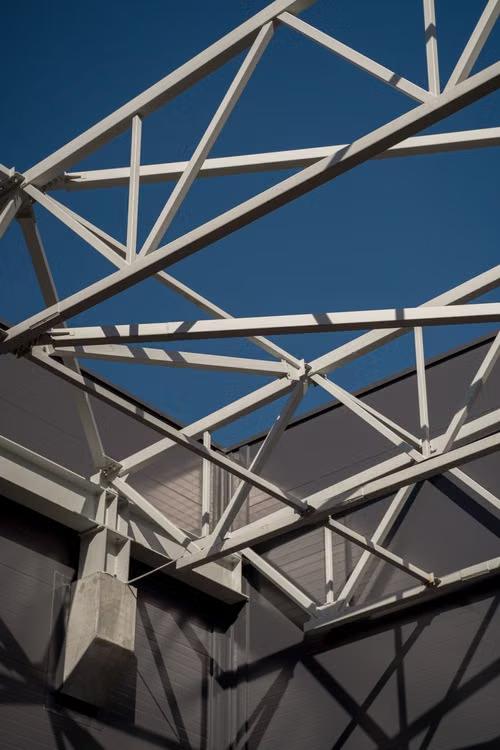
Durability does not end when construction is finished. Routine maintenance can help identify issues before they become expensive repairs. Inspect exterior panels, roof areas, fasteners, seals, doors, drainage paths, and visible structural components periodically.
Remove debris that can hold moisture against metal surfaces. Check protective coatings for scratches, wear, or exposed areas, particularly after severe weather.
Address damaged components promptly and keep gutters or drainage systems clear when the building includes them.
A written maintenance schedule can make these tasks easier to manage.
Work With an Experienced Contractor
Choosing the right contractor can influence the quality and long-term performance of the project. Look for experience with metal construction and familiarity with coastal building conditions. Ask for details about materials, structural design, corrosion protection, foundation requirements, site preparation, and construction scheduling.
Discuss warranties, inspections, change orders, payment stages, and communication during construction. Review the written scope carefully so you know what the project includes.
Plan for Long-Term Value
Think about how the building may be used several years from now. You may need additional storage, larger equipment access, more electrical capacity, or a different interior arrangement. Allowing for future needs during initial design can make later changes easier.
Balance the initial budget with the expected service life of the building. Spending appropriately on protective materials, sound structural design, quality openings, drainage, and site preparation may reduce maintenance concerns over time.
Let’s Build a Structure That Lasts
A durable metal building near Port O’Connor starts with decisions that account for coastal exposure, corrosion, wind, drainage, structural loads, and long-term maintenance. Careful material selection and site preparation can support reliable performance, while a suitable design can keep the building useful for years.
If you are comparing metal building contractors or steel building contractors in Port O’Connor, Badger Buildings can help you plan a structure suited to your property and goals. Contact us today to discuss your metal building project and take the next step toward a dependable result.