
When people think about steel buildings, they usually picture strength, durability, and long-term value. While all of those things are true, the real reason steel buildings perform so well starts long before construction begins. It starts with structural engineering.
As experienced steel building contractors, we’ve seen firsthand how proper engineering can make the difference between a building that lasts decades and one that develops costly problems over time. Structural engineering is the foundation behind every safe, rigid, and reliable steel structure. It determines how a building handles weight, weather, movement, and long-term wear.
Whether someone is planning a workshop, commercial structure, storage facility, or custom home, understanding the basics of structural engineering helps them make smarter decisions during the building process.
What Structural Engineering Actually Means
Structural engineering focuses on designing buildings that can safely withstand the forces placed on them every single day. Those forces include:
- Wind
- Rain
- Foundation movement
- Roof loads
- Occupancy weight
- Equipment loads
- Temperature expansion and contraction
For steel buildings, engineering ensures that every beam, column, connection, and support system works together as one complete structure.
We often explain it this way: the visible building is only part of the project. The engineering behind the walls is what gives the structure its long-term performance.
That’s why experienced metal building contractors spend significant time planning before the first piece of steel ever arrives on-site.
Why Steel Performs So Well Structurally
Steel has become one of the most trusted building materials in modern construction for several important reasons.
High Strength-to-Weight Ratio
Steel can carry significant loads without requiring bulky structural components. This allows for larger open spaces, taller walls, and flexible floor plans.
For homeowners and business owners, that means fewer interior support columns and more usable space.
Consistent Material Quality
Unlike wood, steel does not warp, split, or shrink over time. Engineered steel components are manufactured with precise specifications, which improves consistency across the entire structure.
This level of precision is one reason many clients choose experienced metal home builders when planning custom homes or barndominiums.
Better Resistance to Environmental Conditions
Properly engineered steel structures can handle harsh weather conditions far better than many traditional materials. Strong engineering allows buildings to better resist:
- High winds
- Moisture damage
- Rot
- Pest issues
- Structural shifting
This is especially important in areas where severe weather and changing soil conditions can impact building stability.
The Role of Load Calculations
One of the most important parts of structural engineering involves load calculations.
Loads refer to the forces acting on a building throughout its lifespan. Engineers calculate these forces carefully to ensure the structure remains stable under real-world conditions.
Dead Loads
Dead loads include the permanent weight of the structure itself:
- Steel framing
- Roofing
- Insulation
- Interior finishes
- Mechanical systems
Live Loads
Live loads include temporary or changing weight:
- People
- Furniture
- Equipment
- Vehicles
- Storage items
Environmental Loads
Environmental loads include outside forces such as:
- Wind pressure
- Snow loads
- Rain accumulation
- Seismic activity
Professional engineering ensures the building can safely handle all of these forces together.
As trusted commercial metal building construction professionals, we understand that every project requires different calculations based on its purpose and location.
Why Foundations Matter Just as Much as the Building
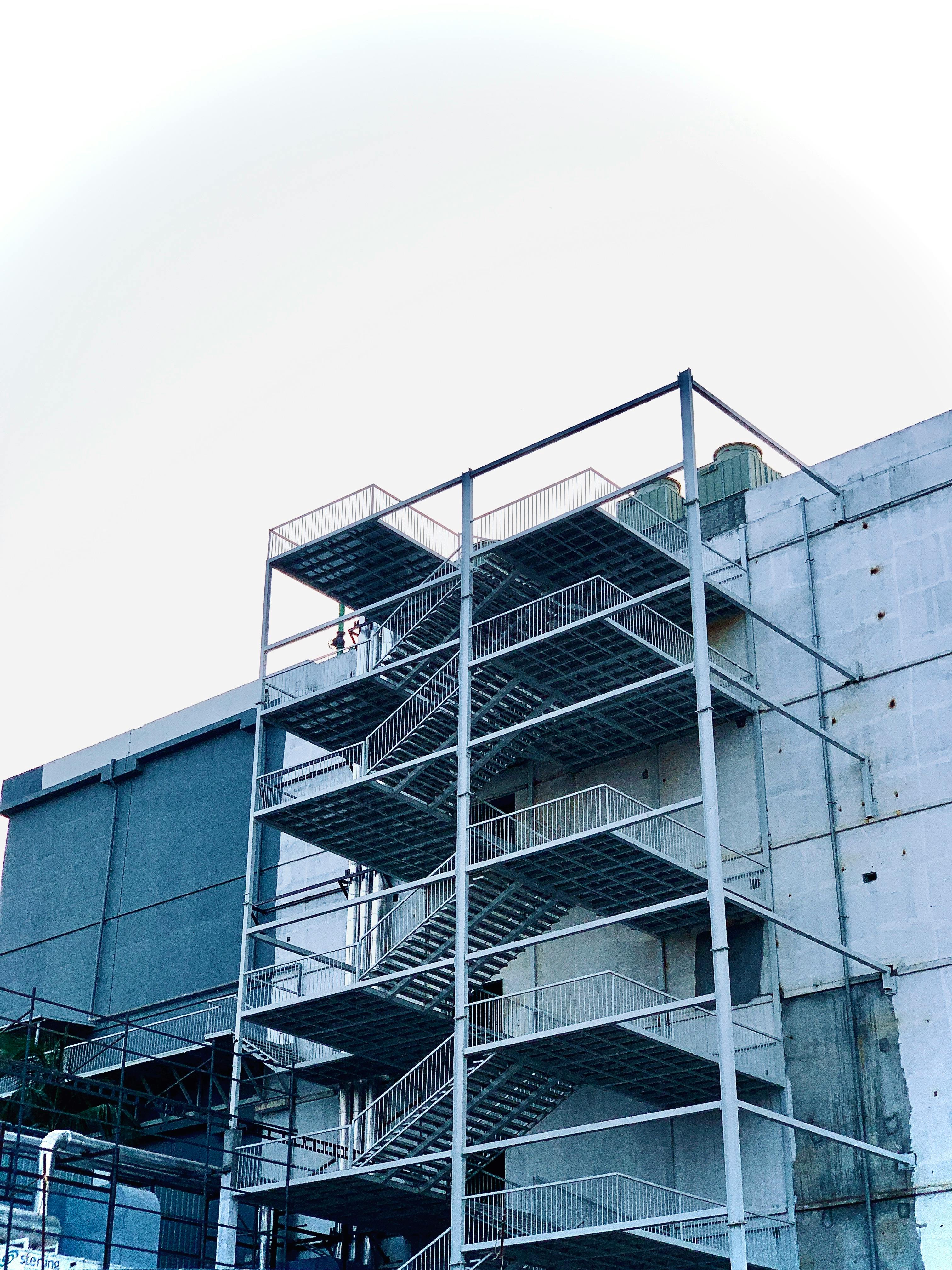
A steel building is only as strong as the foundation beneath it.
One of the most common misconceptions we hear is that steel buildings can simply be placed on any concrete slab. In reality, foundation engineering is a critical part of the entire construction process.
Proper foundation planning considers:
- Soil conditions
- Drainage
- Load distribution
- Moisture control
- Site elevation
- Structural anchoring
If the foundation shifts or settles unevenly, it can affect the entire structure over time.
That’s why experienced turn-key metal building services focus heavily on site preparation and concrete work before installation begins.
Understanding Rigid Frame Design
Many steel buildings rely on rigid frame systems. These systems are designed to transfer structural loads efficiently throughout the building.
Rigid frames create stability by connecting beams and columns in ways that resist movement and bending.
Benefits of rigid frame engineering include:
- Greater structural stability
- Wider clear-span interiors
- Better wind resistance
- Long-term durability
- Reduced maintenance needs
For large workshops, commercial facilities, and custom residential builds, rigid frame systems provide excellent performance while maximizing usable interior space.
Why Engineering Impacts Long-Term Costs
Some people focus heavily on initial construction pricing without fully considering long-term performance.
The reality is that quality engineering often saves money over time.
Poorly engineered structures may develop issues such as:
- Roof leaks
- Structural movement
- Foundation cracking
- Framing stress
- Moisture intrusion
- Increased maintenance expenses
We’ve seen projects where shortcuts during the planning stage eventually led to major repair costs.
On the other hand, properly engineered steel buildings tend to offer:
- Longer lifespan
- Lower maintenance costs
- Better energy efficiency
- Improved structural performance
- Higher resale value
That’s why working with experienced barndominium builders and qualified construction professionals matters so much.
The Importance of Professional Installation
Even the best engineering plans can fail if installation is handled incorrectly.
Steel buildings require precision during assembly. Every bolt, connection point, support beam, and anchoring system must align with engineering specifications.
Professional installation helps ensure:
- Structural integrity
- Proper load transfer
- Weather resistance
- Safety compliance
- Long-term durability
As experienced builders, we know that construction quality and engineering must work together. One without the other creates unnecessary risk.
Energy Efficiency and Structural Planning
Modern steel buildings are no longer just practical. They can also be highly energy efficient when properly engineered.
Structural planning impacts energy performance in several ways:
Insulation Systems
Engineered wall and roof systems allow for advanced insulation installation that improves interior comfort and reduces energy costs.
Ventilation Design
Proper airflow planning reduces moisture buildup and helps regulate indoor temperatures.
Roof Engineering
Roof pitch and structural design can improve water drainage and heat management.
Many clients are surprised to learn that well-designed steel buildings can provide comfortable, efficient living spaces year-round.
This is one reason custom barndominiums and steel homes continue growing in popularity.
Common Engineering Mistakes to Avoid
Over the years, we’ve seen several common mistakes that can create serious issues for building owners.
Choosing Price Over Experience
The cheapest option is not always the safest or most reliable.
Experienced steel building contractors understand how engineering, site preparation, and installation all connect together.
Ignoring Site Conditions
Every property is different. Soil conditions, drainage, and elevation all impact structural performance.
Skipping Proper Planning
Rushed planning often leads to expensive corrections later.
Using Low-Quality Materials
Inferior materials can weaken the overall structure and reduce lifespan.
Hiring Multiple Uncoordinated Contractors
When too many separate contractors handle different phases without coordination, communication issues and construction delays become more likely.
That’s why many property owners prefer complete turn-key metal building services that streamline the process from start to finish.
Why Turnkey Construction Improves Structural Quality
One major advantage of turnkey construction is consistency.
When one experienced company manages the project from site work to final finishes, there is typically:
- Better communication
- Stronger project coordination
- Fewer delays
- Improved quality control
- Better accountability
At Badger Buildings, we believe structural quality starts with careful planning, honest communication, and proven construction practices.
Our approach focuses on delivering durable steel structures designed to perform for decades while meeting each client’s unique needs.
Structural Engineering Is an Investment in Longevity
Steel buildings are known for strength, but true durability comes from proper engineering, quality materials, and skilled construction. Understanding the basics of structural engineering helps property owners make informed decisions that protect their investment long-term.
From load calculations and foundation design to rigid framing and installation precision, every detail matters. When all of those elements work together correctly, the result is a building that offers safety, reliability, efficiency, and lasting value.
Build With Confidence With Badger Buildings
At Badger Buildings, we take pride in delivering engineered steel structures built with integrity, durability, and attention to detail. From custom homes and barndominiums to workshops and commercial projects, our team manages every phase of construction with a focus on quality and long-term performance.
As a trusted provider of Turn-key metal building services, we handle site preparation, concrete work, steel installation, and complete interior finish-outs to help simplify the entire building process.
If you’re planning to start working on a steel building, it’s time you get in touch with our team and get the best for yourself and your upcoming projects!